Book Hair Keratin Treatment for Frizz Control
Revitalize Your Hair: Essential Benefits of Hair Keratin Treatment to Discover
Keratin hair treatments have become increasingly popular for their ability to transform the texture and appearance of hair. By infusing keratin, these treatments aim to reduce frizz and enhance shine. Numerous people pursue this option in search of softer, easier-to-manage hair. However, the process and its implications require careful consideration. Learning the intricacies of keratin treatments helps guide well-informed decisions about personal hair care. What can one anticipate from undergoing this procedure?
Exploring Hair Keratin Treatments: Defining the Process and How It Works
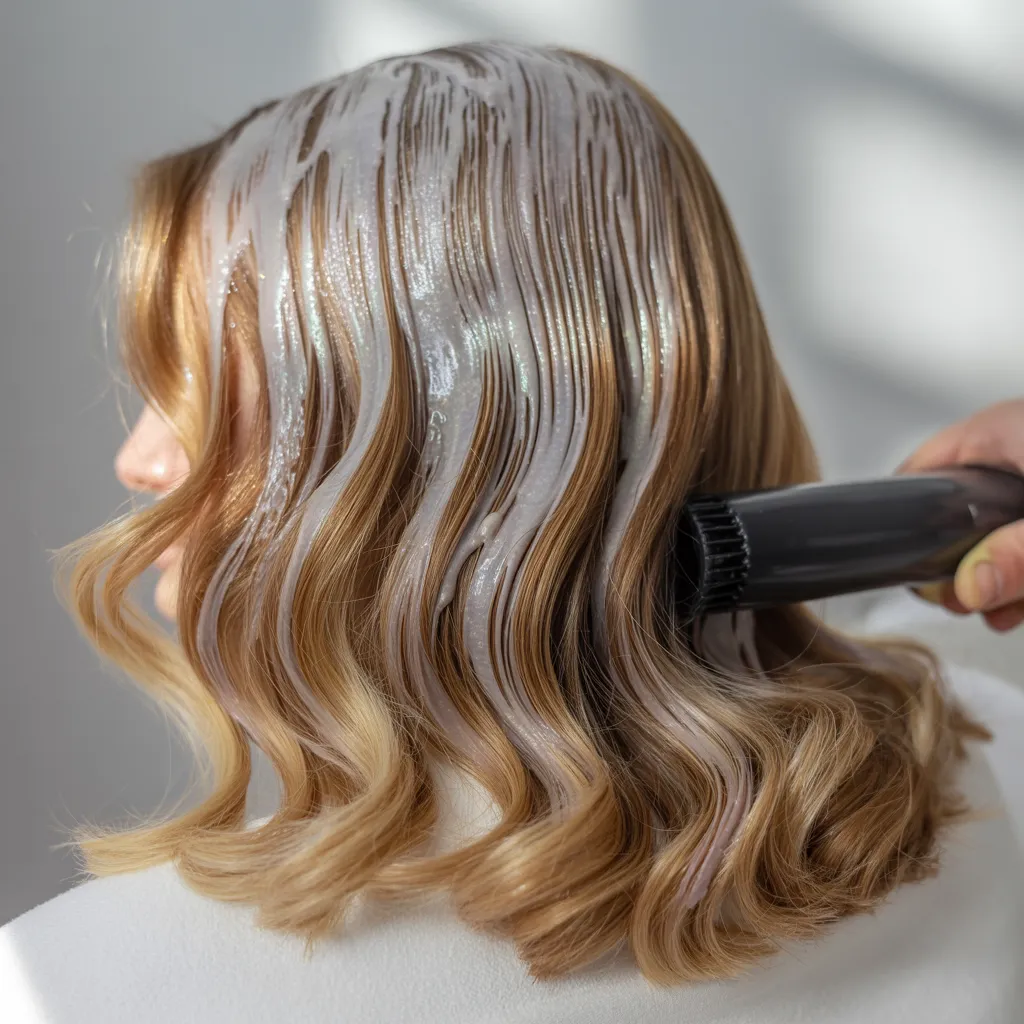
What exactly are hair keratin treatments, and what is the process behind them? Hair keratin treatments are treatments performed in salons intended to revitalize and fortify hair by infusing it with keratin, a protein found naturally that makes up a significant portion of hair structure. In the course of the treatment, a keratin solution is applied frequently mixed with several chemical compounds, to the hair shaft. Heat is then utilized to lock in the solution, permitting the keratin to penetrate the hair more effectively.
The procedure operates by filling in damaged areas of the hair cuticle, creating a smoother hair surface. This procedure minimizes frizz while boosting shine, leading to more manageable hair. In most cases, the outcomes can last for several weeks, varying according to hair type and upkeep. Ultimately, hair keratin treatments present a reliable approach to improving hair texture and appearance, making them an attractive option for individuals looking to improve their hair's health and appearance.
Main Advantages of Keratin Therapy for Taming Frizz
Keratin treatments provide notable benefits for people battling unwanted frizz. Primarily, these treatments work by saturating the hair with keratin, a naturally occurring protein that softens the hair cuticle. This method significantly decreases hair porosity, allowing it to retain moisture and combat humidity—two well-known triggers of frizz.
In addition, keratin treatments boost hair maintenance, making it effortless to work with. The refined finish attained through these treatments not only minimizes frizz but also delivers a glossy shine, giving the hair a more revitalized feel.
Additionally, these procedures can minimize time spent on styling; individuals spend less time using heat tools and flat irons. Ultimately, individuals can benefit from lasting results, which means less daily maintenance is needed. By tackling frizz and texture directly, keratin treatments present an ideal solution for anyone desiring smooth and manageable hair.
Duration of Keratin Treatments: How Long Do They Last?
Keratin treatments vary in duration, typically lasting between three to six months. A number of factors, such as hair type, product quality, and aftercare practices, can impact the duration of these results. Learning proper maintenance techniques can further extend the benefits of these treatments.
Common Treatment Duration
Lasting results are a primary concern for people thinking about a keratin treatment. In most cases, the benefits of a keratin treatment persist for three to six months, influenced by elements like hair type and care habits. Clients often report smoother, frizz-free hair during this period, which considerably decreases the time spent styling and boosts overall manageability. The treatment works by infusing keratin—a natural protein—into the hair, creating a protective barrier. As time passes and the hair is washed and styled, the treatment slowly diminishes. Periodic touch-up appointments can sustain the results, letting clients relish their revitalized hair for a greater length of time. At its core, grasping the usual lifespan of the treatment supports clients in establishing practical expectations for their hair care routine.
Factors Affecting Duration
While many anticipate the sleek results of a keratin treatment, multiple elements heavily impact how long the effects will last. First, the hair type is a key factor; those with coarse or curly hair often enjoy longer-lasting outcomes compared to those with fine or straight hair. The quality of the keratin product used also plays a role, as superior quality products typically offer more durable outcomes. External factors, such as humidity and exposure to sun or chlorine, can shorten the duration of the treatment's effects. Furthermore, the washing frequency and the types of hair care products employed can markedly impact durability. Finally, the skill level of the stylist administering the treatment can influence the degree to which keratin adheres to the hair, further influencing overall duration.
Maintenance Tips for Longevity
Adequate upkeep is essential to extending the lifespan of keratin treatments. For lasting results, people should refrain from washing their hair for a minimum of 72 hours after treatment, giving the keratin time to completely bond. During washing, it is advisable to use sulfate-free shampoos, since sulfates may deplete the treatment. Limiting hair washing to two to three times a week can also help preserve the treatment's effects. In addition, utilizing a wide-tooth comb when detangling wet hair can significantly minimize damage. It is advisable to minimize exposure to chlorine and saltwater, as these can weaken keratin bonds. Regular moisturizing and using heat protectants before styling can further enhance the treatment's lifespan. By following these maintenance tips, individuals can enjoy smoother, healthier hair for an extended period.
What to Expect During Your Keratin Treatment Session
A keratin treatment session offers a revitalizing experience for clients who desire smoother, shinier hair. Clients can expect the process to require one to three hours, depending on hair length and thickness. When you arrive, a consultation is usually performed to evaluate the hair's current state and identify the most suitable treatment option.
The stylist proceeds to wash the hair with a clarifying shampoo to eliminate impurities, before proceeding with the application of the keratin solution. The solution is carefully spread evenly, to ensure every strand is coated. Once the processing period is complete, heat is applied via a professional flat iron to seal the keratin treatment into each strand.
During the treatment, customers may experience a subtle chemical smell, which is perfectly normal. As the session wraps up, hair will seem noticeably smoother and more manageable. Customers should exit the salon feeling thrilled about their transformed appearance, with the assurance that the effects can last several weeks with the right aftercare.
How to Preserve Your Keratin Treatment Results
Aftercare is essential for maximizing the results of a keratin treatment. It is necessary to keep hair away from moisture for the first 48 to 72 hours and to use sulfate-free hair care products to maintain hair integrity. These habits help preserve the treatment's benefits and enhance overall hair health.
Stay Away From Water Exposure
Maintaining the effects of a keratin treatment requires careful diligence, especially in the days subsequent to the application. One essential aspect of aftercare is preventing water exposure. For at least 72 hours following the procedure, individuals should avoid washing their hair or exposing it to any moisture. This includes steering clear of activities that may cause sweating, such as strenuous workouts or hot showers. Water can compromise the keratin bonds that have been carefully infused into the hair, reducing the treatment's effectiveness. Additionally, individuals should be aware about environmental factors, such as rain or humidity. Taking these precautions will help maintain the smoothness and shine gained from the keratin treatment, promoting longevity and best results. Thorough maintenance plays a critical role in sustaining beautiful, healthy hair.
Choose Sulfate-Free Products
After the opening 72 hours of avoiding water exposure, incorporating sulfate-free products proves vital for preserving the benefits of a keratin treatment. Traditional shampoos, which commonly contain sulfates, can strip the hair of its natural oils and diminish the efficacy of the treatment. By selecting sulfate-free options, people more information can maintain the shine and smoothness resulting from keratin treatments. These products are milder for hair , aiding in moisture retention and prolong the results. Moreover, sulfate-free shampoos commonly feature enriching components that can additionally improve hair health. Regular use of such products can prevent frizz and sustain the sleek, manageable texture that keratin treatments deliver, promoting enduring results and visibly healthier hair.
Potential Risks and Key Considerations of Keratin Treatments
Even though keratin treatments deliver significant benefits for hair smoothing and radiance, important risks and factors must not be ignored. A major issue relates to formaldehyde contained in some product formulations, which can release harmful fumes during application. Long-term exposure might cause respiratory problems or irritation of the skin. Additionally, individuals with sensitive scalps or allergies may experience adverse reactions, requiring that a patch test be performed ahead of treatment.
Another consideration is the longevity of results; while keratin treatments can offer a sleek finish for a few months, maintaining the ideal style requires dedicated maintenance, including specially formulated sulfate-free products. Moreover, repeated applications may cause hair to become overly processed, leading to brittleness or damage over time.
Finally, it is crucial to speak with a professional stylist to guarantee that the chosen treatment is suitable for each person's hair type and condition, minimizing risks while maximizing benefits.
Frequently Asked Questions
Is It Possible to Get Keratin Treatments on Color-Treated Hair?
That's correct, keratin treatments are suitable on chemically colored hair. However, it's best to wait at least 14 days after color treatment to ensure the hair's integrity and get the most from the results of the two treatments.
How Often Can I Get a Keratin Treatment?
In most cases, keratin treatments can be performed every three to six months, based on each person's unique hair type and health. Consulting with a professional stylist can provide tailored advice for superior results and overall hair wellness.
Are There Natural Alternatives to Keratin Treatments?
Natural alternatives to keratin treatments include coconut oil, argan oil, and aloe vera. Such remedies can boost hair's moisture and shine, providing smoother texture and reduced frizz without the chemicals often found in traditional keratin treatments.
Do Keratin Treatments Cause Hair Damage?
Keratin treatments have the potential to damage hair, especially when they include harsh chemicals or are used too frequently. Using these treatments too often may cause dryness, breakage, or compromised strands, underscoring the need for expert application and thorough aftercare.
What Ingredients Should I Avoid in Keratin Products?
Consumers ought to steer clear of keratin treatments containing sulfates, formaldehyde, parabens, and alcohol. These ingredients can cause hair damage, dryness, and irritation, diminishing the overall effects of keratin products and compromising hair integrity.